• Home
  • About This Blog
  • Contact Me
  • Subscribe
  • Comment Policy

Attempts at Honesty

Reflections on the interplay of the Bible and Culture

  • Westminster Shorter Catechism Series
  • Sermon on the Mount Series
Home Archives for Quotation

Benedict on church leaders

Posted on April 11, 2017 Written by Mark McIntyre Leave a Comment

St. Benedict
St. Benedict

In his book Turning Points, Mark Noll quotes from St. Benedict’s instructions on selecting an abbot. As I read it, I thought that it is very applicable to church leaders in any generation so I thought I would share it here.

“In choosing an abbot, the guiding principle should always be that the man placed in office be the one selected either by the whole community acting unanimously in the fear of God, or by some part of the community, no matter how small, which possesses sounder judgment. Goodness of life and wisdom in teaching must be the criteria for choosing the one to be made abbot, even if he is the last in community rank. . . . Once in office, the abbot must keep constantly in mind the nature of the burden he has received, and remember to whom he will have to give an account of his stewardship [Luke 16:2]. Let him recognize that his goal must be profit for the monks, not preeminence for himself. He ought, therefore, to be learned in divine law, so that he has a treasury of knowledge from which he can bring out what is new and what is old [Matthew 13:52]. He must be chaste, temperate and merciful. He should always let mercy triumph over judgment [James 2: 13] so that he too may win mercy. He must hate faults but love the brothers. When he must punish them, he should use prudence and avoid extremes; otherwise, by rubbing too hard to remove the rust, he may break the vessel. He is to distrust his own frailty and remember not to crush the bruised reed [Isaiah 42:3]. . . . Let him strive to be loved rather than feared.

Excitable, anxious, extreme, obstinate, jealous or oversuspicious he must not be. . . . Instead, he must show forethought and consideration in his orders, and whether the task he assigns concerns God or the world, he should be discerning and moderate. . . . Therefore . . . he must so arrange everything that the strong have something to yearn for and the weak nothing to run from.”

This is good advice for anyone who feels called to exercise leadership in the church.

Filed Under: Quotation Tagged With: abbot, Church, Leader, leadership

J. I. Packer on our response to Scripture

Posted on January 14, 2017 Written by Mark McIntyre Leave a Comment

18 Words

This morning I was reading the introduction to J. I. Packer’s book, 18 words. I thought this paragraph worth sharing:

“In form, as I think we all know, Scripture is historical witness to God’s work of redemption which climaxed initially in the incarnation, immolation, resurrection and exaltation fo the Son of God, who is Jesus, and which will climax finally in the eucatastrophe (to borrow Tolkein’s recondite but happy word) of Jesus’ return in shattering glory to make all things perfectly new. Viewed from this standpoint (as viet it we must, else we shall misunderstand it) Scripture is often written off as odd and remote, because its message does not square with what modern man thinks he knows. But in its essential nature, which unhappily not all seem to appreciate, Scripture is quite simply God communicating, God talking, God teaching, God preaching: God telling you – yes, you, with me an all other Bible-readers and Bible-hearers everytwhere – things about Himself which call here and now for faith, worship and obedience; prayer, praise and practice; devoting, denying and disiplining ourselves in order to serve God; in short, our complete conversion and our total commitment.” – J. I. Packer in 18 Words, The Most Important Words You Will Ever Know

This reminds me that the goal of reading Scripture is not the gathering of knowledge for its own sake. The goal of theology should not be understanding for its own sake.

The proper goal of theological study is to better understand God and better understand our proper response to who he is. The proper goal of theological study must be found in the context of relationship.

I have met men who are meticulous in their theological understanding who have left me with the impression that an afternoon spent in dialogue with them would be like a spiritual root canal. I might perhaps gain by the interaction, but I certainly would not enjoy it.

But I have met others, J. I. Packer being one of them, who have demonstrated that good theology leads to good living. Men in this category give me the impression that time spent with them would be profitable and enjoyable.

Any activity that we choose to pursue, theological or otherwise, should move us toward God and toward fulfillment of the two great commands. Either I am becoming more loving of God and my fellow man, or I am becoming less loving.

The difference between the men to whom I am drawn versus those whom I would like to avoid can be assessed with this question, Can I better learn to love God and love my neighbor as a result of interacting with his person?

Filed Under: Quotation

Tim Keller on Christian Preaching

Posted on October 19, 2016 Written by Mark McIntyre 1 Comment

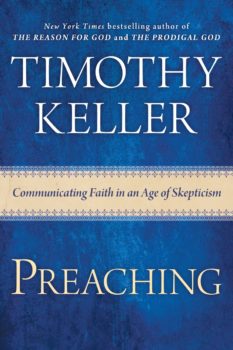
PreachingChristians are either engaged in the act of preaching or will regularly hear preaching in their churches. While the following paragraphs are written with the intent of challenging those who preach, those of us who listen can also be encouraged by them.

“So there are two things we must do. As we preach, we are to serve and love the truth of God’s Word and also to serve and love the people before us. We serve the Word by preaching the test clearly and preaching the gospel every time. We reach the people by preaching to the culture and to the heart.

Then there is what God must do. He brings the Word home to our hearers through the ‘demonstration of the Spirit and of power’ (1 Corinthians 2:4). According to Paul you can preach with genuine spiritual power only if you offer Christ as a living reality to be encountered and embraced by those who listen. This means to preach with awe and wonder at the greatness of what we have in Christ. It means to exhibit an uncontrived transparency, showing evidence of a a heart that is being mended by the very truth you are presenting. It entails a kind of poise and authority rather an an insecure desire to please or perform. So your love, joy, peace, and wisdom must be evident as you speak. You should be something like a clear glass through which people can see a gospel-changed soul in such a way that they want it too, and so that they get a sense of God’s presence as well.

How do all these things happen? they all happen as we preach Christ. To preach the test truly and the gospel every time, to engage the culture and reach the heart, to cooperate with the Spirit’s mission i the world – we must preach Christ from all of Scripture.”

These paragraphs are taken from Tim Keller’s book, Preaching: Communicating Faith in an Age of Skepticism.

If these paragraphs are not descriptive of the preaching that you hear on a regular basis, then I challenge you to find a means of sitting under a preacher that does follow them.

Filed Under: Quotation

Van Dixhoorn on the Ministry of the Word

Posted on September 14, 2016 Written by Mark McIntyre Leave a Comment

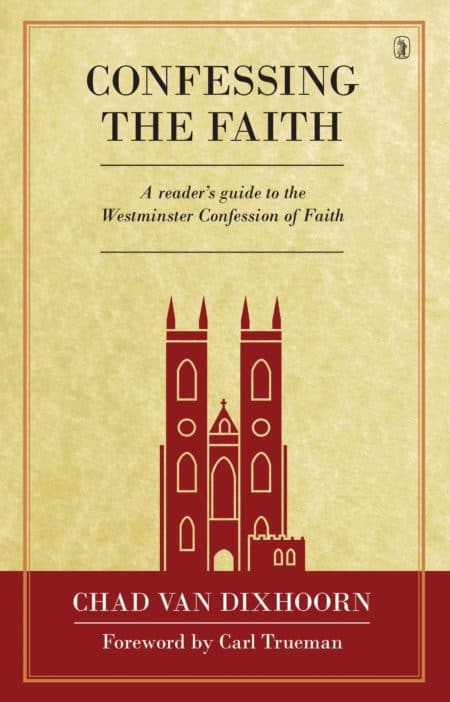
Confessing the Faith

In studying for a class on the Westminster Confession of Faith, it was recommended to me that I get a copy of Chad Van Dixhoorn’s commentary on the confession, entitled Confessing the Faith.

I began by reading the commentary on Chapter 14 of the confession (since this is the beginning of the session that we will discuss in the next class session). I liked these paragraphs and thought I would share them with you.

“The ministry of the Word is used by the Spirit to work saving faith in us. It should be added that the Word of God can increase and strengthen our faith.

What new Christian and what seasoned saint will not confess that his or her faith is often weak? All the honest ones will. For that reason Christian elders impress upon every believer the importance of attending as often as possible to the preaching of the Word. We want to see trust in Christ grow and be strengthened as the weeks and years go by. The Apostle Peter once urged believers to desire what he called ‘ the pure milk of the word’ precisely so that they would ‘grow up into salvation’ (1 Peter 2:2). Paul said much the same to the leaders of the Ephesian church when he commended his listeners to the ‘word of his grace, which can build you up’ (Acts 20:32). This is biblical advice; the soundest sort of wisdom.”

In the internet age, we have many ways of encountering Christian teaching in written, audio and video formats. I could fill my podcast app with enough teaching to listen all my waking hours.

But there is something very special about hearing the Word of God proclaimed by capable preachers along with my brothers and sisters in Christ. I read recently, that for many years, Martyn Lloyd-Jones resisted having audio recordings made of his sermons for this reason.

Filed Under: Quotation

  • « Previous Page
  • 1
  • …
  • 4
  • 5
  • 6
  • 7
  • 8
  • …
  • 23
  • Next Page »

Follow Attempts at Honesty

Honesty in your Inbox

Post Series

  • Westminster Shorter Catechism Series
  • Sermon on the Mount Series
February 2026
SMTWTFS
1234567
891011121314
15161718192021
22232425262728
« Jan    

Categories

Archives

Blogger Grid
Follow me on Blogarama

Copyright © 2026 · Focus Pro Theme on Genesis Framework · WordPress · Log in